
Stuff they don't tell you in flight school
Watch more on YouTube
Stuff they don't tell you in flight school
Watch more on YouTubeAbout KSA
Most pilots stop training once they get their license. Because it's hard to practice and repeat the same thing over and over again. Because it means leaving your comfort zone. And because it doesn't immediately feel rewarding. We tend to believe that accidents happen to other people. But helicopters are unforgiving and the statistics have a clear message — the pilots are the main problem, not the helicopter.
A pilot's license is the legal confirmation that you are able to safely manipulate the controls of a helicopter. But in reality it is a license to learn. It doesn't matter if you have 50, 200, 3,000 or 20,000 hrs of flight experience — if you have the right mindset, you can always become a safer pilot if you strive to improve your knowledge, your skills and your attitude.
Most flight schools teach you how to learn to fly but they don't have structured programs to help pilots keep on improving throughout their flying career. Of course, none of the three areas can ever be mastered perfectly. It's a lifelong journey for pilots who have the will to become better with every flight. Who are curious to learn, to practice and to always reflect on their attitude. And who want to have fun while becoming more confident in what they do.
Our goal is to motivate you to become a better pilot by sharing our experience and by getting information out that we consider important and sometimes not widely available. If you decide to look for an experienced flight instructor near you and work on some of the things you see here, we have reached our goal.
In basic flight training, flight schools only scratch the surface of what you really need to know. We teach you the reasons behind the procedures — and why you shouldn't always blindly follow what you were taught. Knowledge is power.
Training your muscle memory in real life scenarios is critical. Those skills improve your chances if you should run into a problem while flying. In a real emergency, you'll fall back to what you've been trained in. Train the real stuff.
Most accidents happen due to human error. It's not a technical problem, it's not an outside factor — it's the pilot. Flight preparation, the decision making process, risk management and how you think about yourself as a pilot is a major factor. Your attitude decides the outcome.
Who We Are
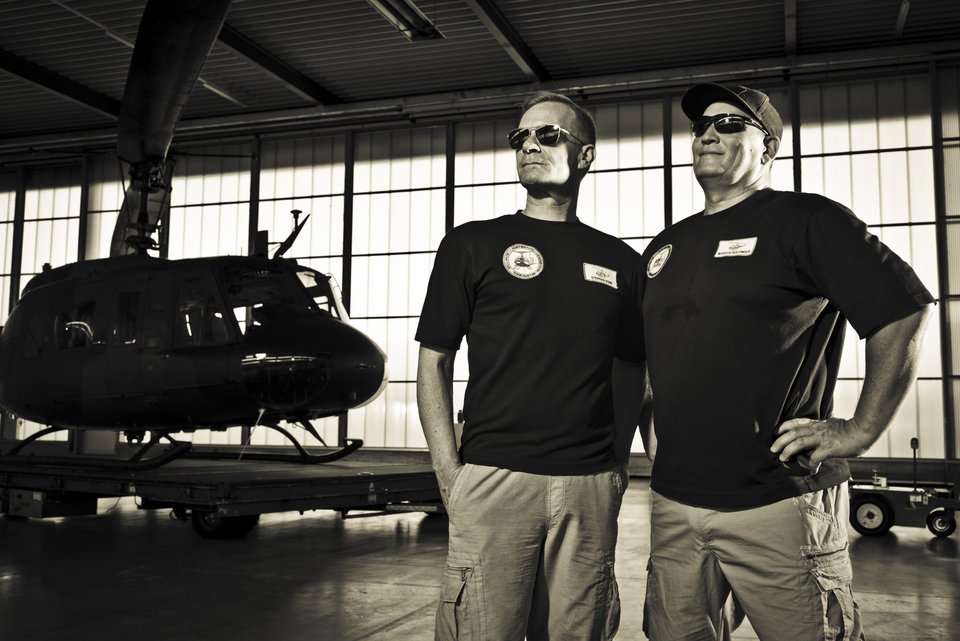
We have lost a number of pilot friends over the years. Great pilots. Experienced pilots. Knowledgeable pilots with the right attitude. And we have studied hundreds of helicopter accidents to find an answer to one question: why do we have so many fatal accidents where pilots die in a situation that is so obviously wrong from the outside? What was the human decision making process for this pilot in that given moment? And what can we do to prevent ourselves and others from getting onto the same path?
We have no commercial interest in providing this content. We only publish our opinions and experiences.
From what we learned, three areas seem to help making better pilots: never stop learning (Knowledge), don't stop practicing (Skills) and do your best to overcome the human risks that come with the personality of pilots (Attitude).
30+ years of flight experience in Airbus, Bell, Hiller and Robinson helicopters. Commercial pilot, Flight Instructor in Europe (EASA) and the US (FAA). Pilot examiner in Europe (EASA), Robinson Standardized Flight Instructor, 15+ Robinson Safety Courses. National Test Pilots School.
25+ years of flight experience in Airbus, Bell and Robinson helicopters and single and multi-engine fixed wings. Commercial pilot, Flight Instructor and Pilot examiner in Europe (EASA). National Test Pilots School.
Training System
Every pilot should train at their experience level but look for qualified flight instructors who can help them get to the next level. Skills diminish if you don't practice them, so we recommend training with a properly qualified instructor who challenges you on a regular basis. You can only get better if an instructor pushes you and gives you a safe and fun learning experience. This is not a competition. It's about staying proficient and about getting better one step at a time.
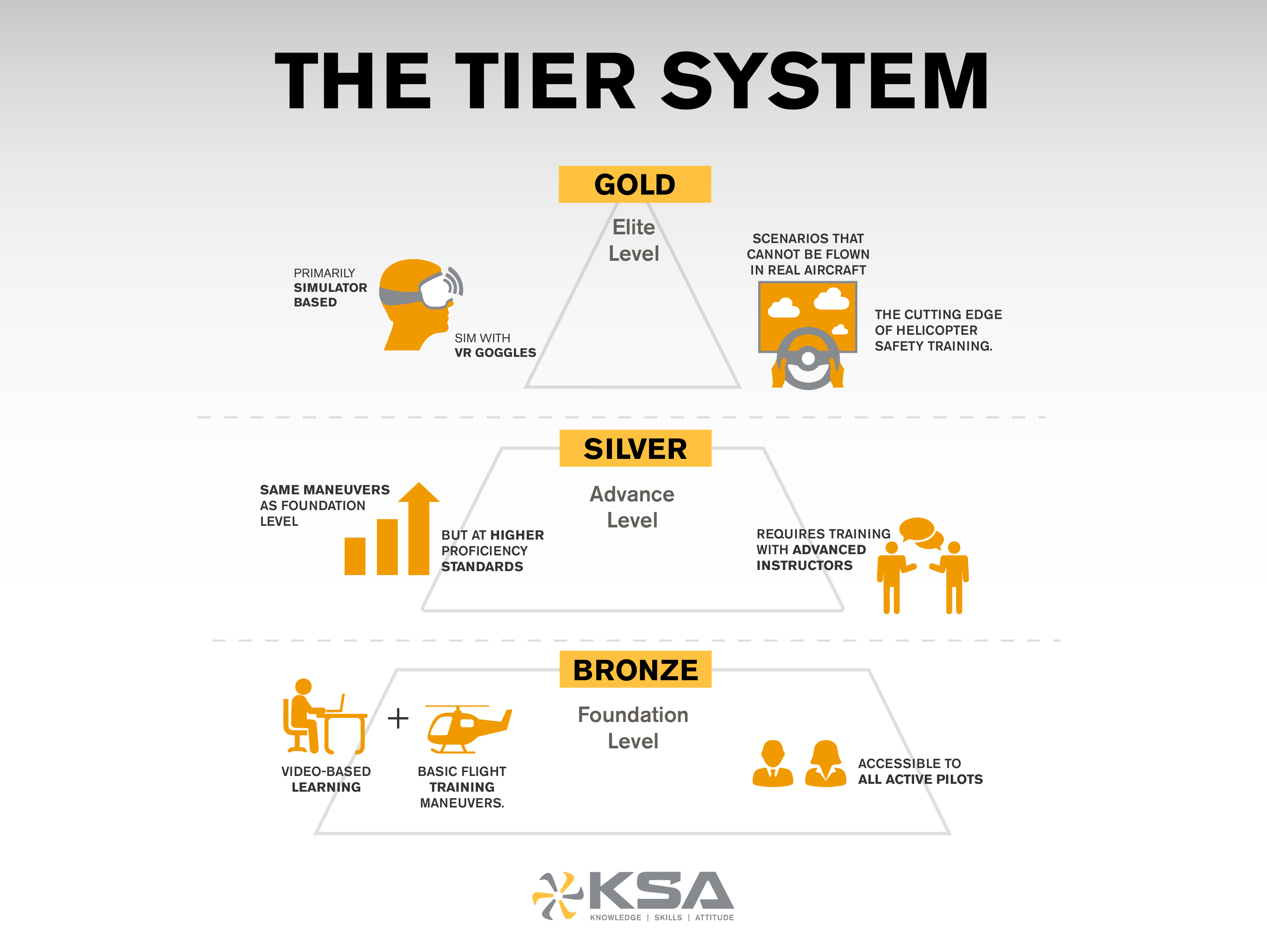
Our Bronze training is for pilots who are flying at the level of the license standards. This is the minimum legal skills and knowledge level that is required by the authorities for a pilot to exercise the privileges of their license.
Silver level is for the more ambitious private and for commercial pilots who like to dig deeper. If you want to know more and learn about advanced maneuvers, our Silver level is for you. You learn to feel the helicopter and to feel and listen to its signs. You will be surprised what is possible in your helicopter and you will get a feeling for its performance and limits.
In our Gold level, we are mainly using simulators to train for experiences and maneuvers that cannot be safely practiced in flight. A lot of people think that simulators are only useful as procedure trainers in light single engine helicopters. We have developed a range of scenarios where we found the right simulators to be a very helpful tool to practice system failures and flight conditions where training in helicopters is impossible.
Watch
The reasons behind procedures. Why you shouldn't blindly follow what you were taught — but learn to assess the situation and act appropriately.
Short, practical tips. The handling and techniques that turn you from a beginner to a professional helicopter pilot.
Industry safety directors, accident investigators, and senior examiners share what they know. We spread the word.
Out in the world — at events, meeting people, and experiencing the industry firsthand.
Community
The people who are an important part of KSA — in front of the camera, in the cockpit, in endless and inspiring training sessions, and in long discussions with good food and a cold beer.

Commercial Helicopter Pilot
EASA CFI & Examiner
CEO, HeliSafe
Former Director of Flight Safety &
Chief Instructor Pilot, RHC
Commercial Helicopter Pilot
EASA CFI & Senior Examiner
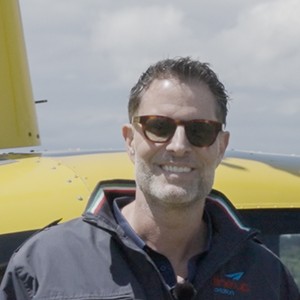
Commercial Helicopter Pilot
EASA CFI & Senior Examiner
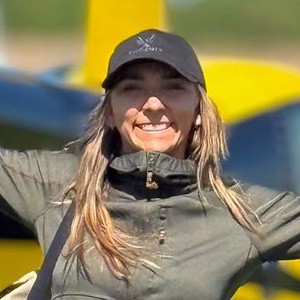
Chilean Private Helicopter Pilot
Founder BlueIce Patagonia Consulting
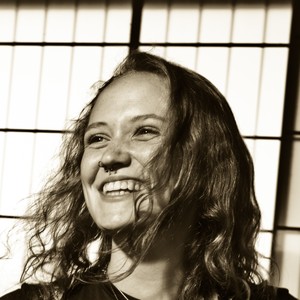
EASA & FAA Private Helicopter Pilot